
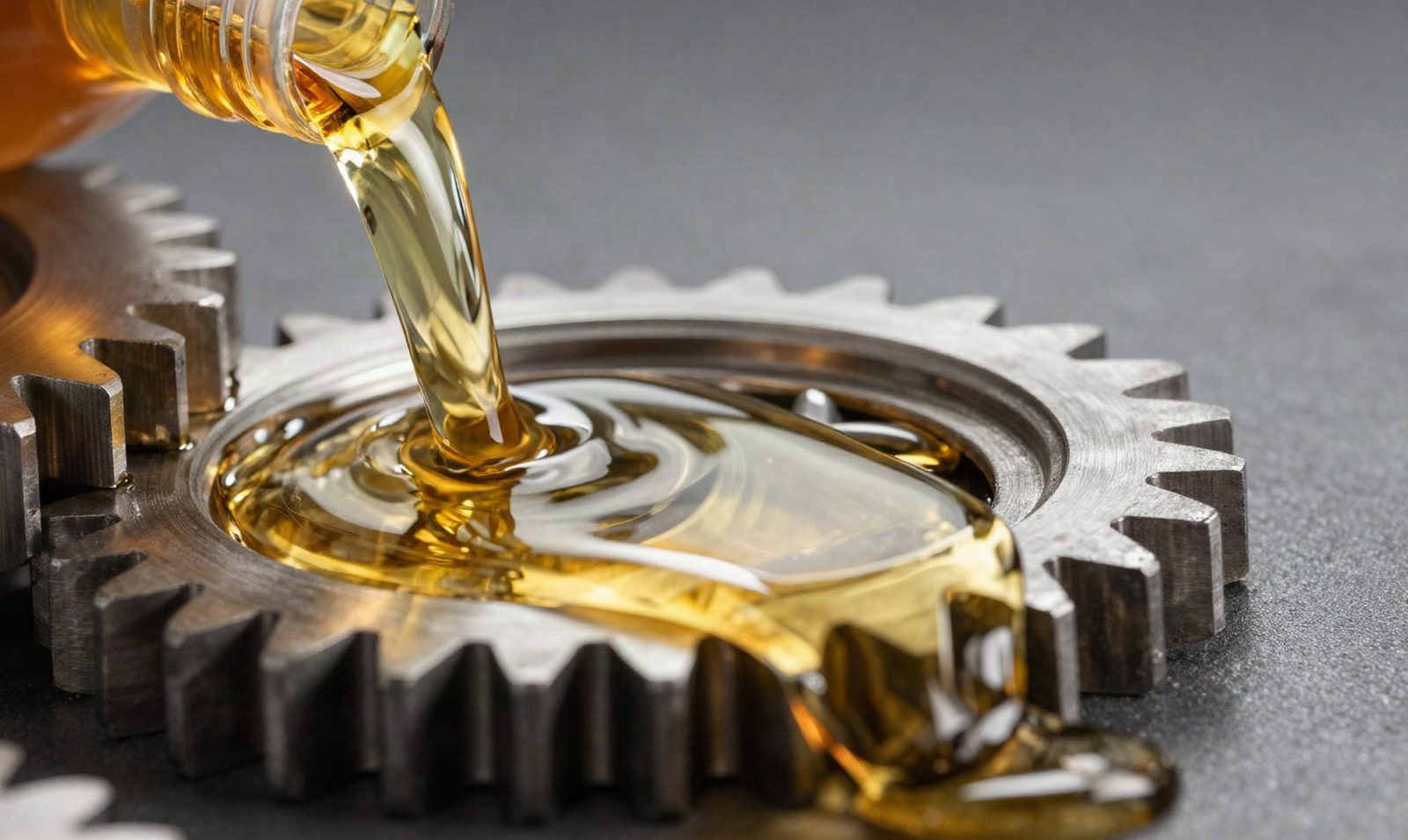
High-performance lubrication. Renewable origin. Zero mineral oil.
Food-grade biolubricants and biodiesel made in Honduras from palm oil.
From Honduran palm to your machinery.
We are Biocombustibles y Salud, S.A. de C.V. (BIOSA), a proud division of GRUPO COINSU and its community of 429 founding families. We turn Honduran palm oil into clean energy and clean lubrication: distilled biodiesel and renewable-based biolubricants for industry.
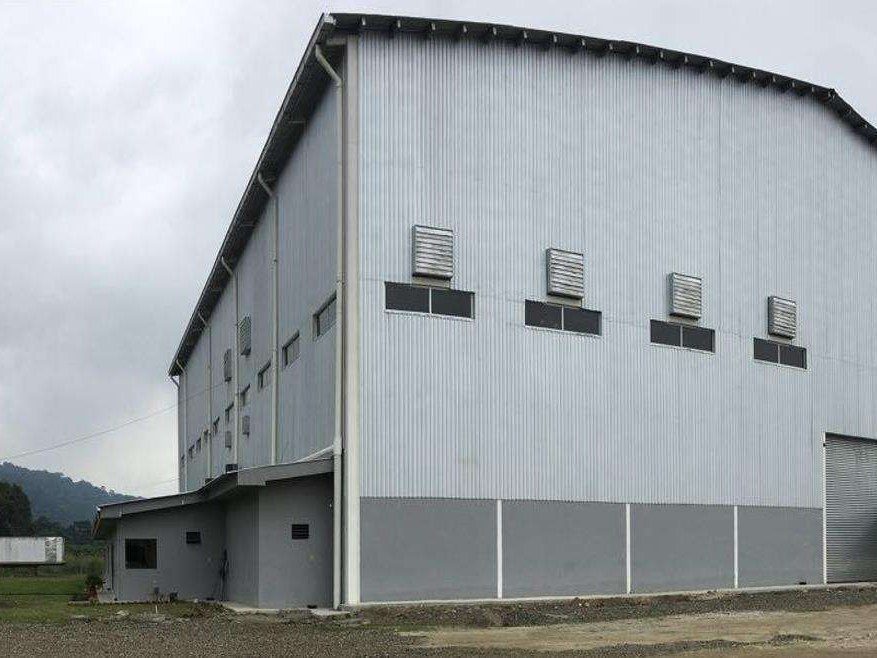
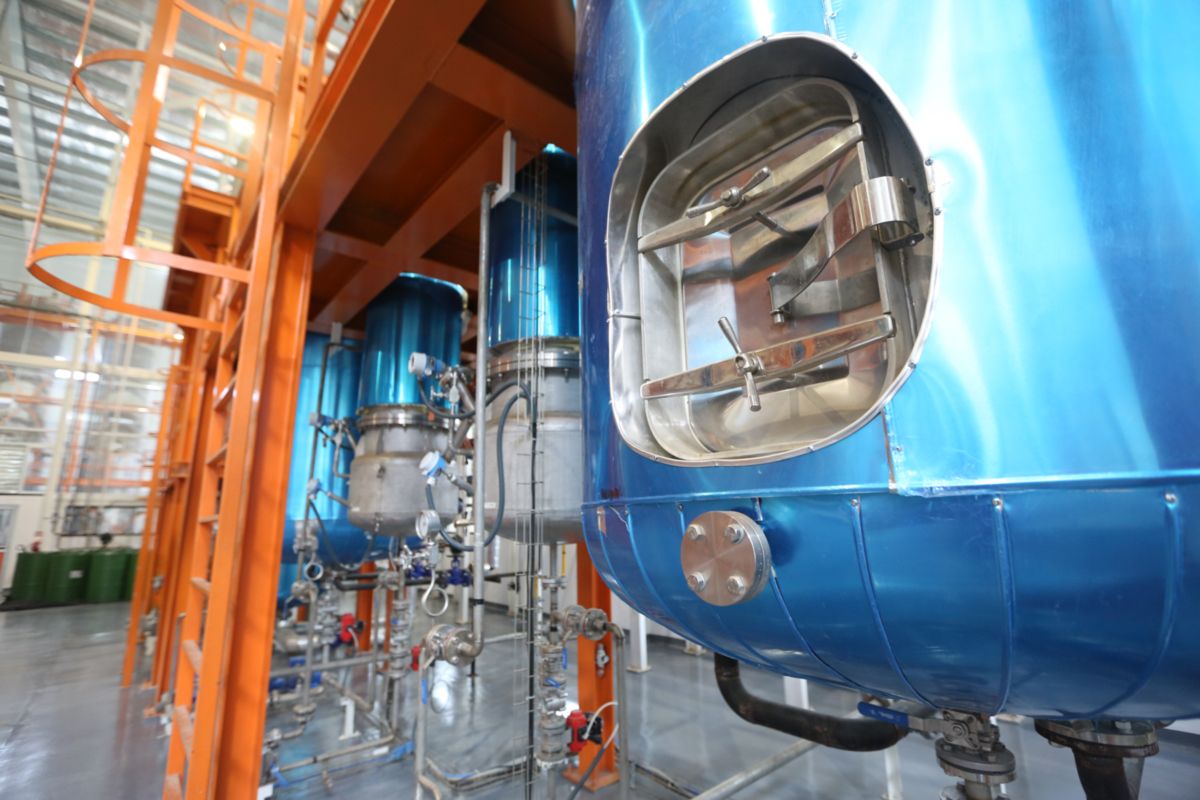
Our plant in Choloma, Cortés combines reactors, vacuum distillation and an in-house laboratory to guarantee the quality of every batch.
Lubricating without petroleum is possible. And it is better.
Renewable
Synthetic esters made from palm oil, not from petroleum.
Food grade
Formulated to meet NSF H1 and ISO 21469: suitable where incidental food contact may occur.
Zero mineral oil
No MOSH, no MOAH by design: the contamination the European Union is now regulating.
Synthetic performance
High viscosity index, high flash point and long lubricant life.
The global biolubricants market is worth around US$ 4 billion and grows close to 6 % a year, driven by food-safety and environmental regulation. BIOSA produces it in Honduras, from local feedstock.
Product line status: in development. Final technical data sheets will be published at commercial launch.
Four families of biolubricants
plus our distilled biodiesel.
Hydraulic fluids
ISO VG 32 · 46 · 68Gear oils
ISO VG 320 · 460Chain oil
ISO VG 220 · high temperatureFood-grade greases
NLGI 2 · EP and high loadDistilled biodiesel
B100 · over 96 % estersRenewable synthetic hydraulic fluids for food, beverage and packaging plants. Anti-wear protection and long fluid life, even at high temperature.
Ideal for
- Hydraulic systems and hydrostatic transmissions.
- Plain and anti-friction bearings.
- Lightly loaded gearboxes and general machinery lubrication.
- Circulating lubrication systems.
Benefits
- Superior lubricity of the synthetic base under almost any operating condition.
- High anti-wear protection: longer equipment life, lower maintenance cost.
- Excellent water separation: prevents emulsions that damage pumps and valves.
- Outstanding air release and anti-foam: minimises cavitation.
- High resistance to oxidation and deposits, even when hot: the fluid lasts longer.
- High viscosity index: stable viscosity from cold start to working temperature.
- Neutral odour and taste; effective corrosion protection of metal surfaces.
Target standards and certifications
| Property | ISO VG 32 | ISO VG 46 | ISO VG 68 | Method |
|---|---|---|---|---|
| Kinematic viscosity at 40 °C (mm²/s) | 32 | 46 | 68 | ISO 3104 |
| Kinematic viscosity at 100 °C (mm²/s) | 6.1 | 7.9 | 10.9 | ISO 3104 |
| Viscosity index | 140 | 142 | 143 | ISO 2909 |
| Density at 15 °C (kg/m³) | 832 | 836 | 839 | ISO 12185 |
| Flash point (°C) | 222 | 248 | 256 | ISO 2592 |
| Pour point (°C) | < −60 | < −60 | −57 | ISO 3016 |
| Operating temperature (°C) | −60 to +140 | −60 to +140 | −50 to +140 | — |
| Peak temperature (°C) | +150 | +150 | +150 | — |
| FZG test A/8.3/90, failure load stage | — | 12 | > 12 | ISO 14635-1 |
| Colour | Colourless to pale yellow | Visual |
Typical reference values for this product category (synthetic base). Colour, pour point and operating range will be confirmed in BIOSA's final technical data sheet. Tests per the ISO / ASTM / DIN methods indicated.
Synthetic extreme-pressure gear oils for enclosed gearboxes in food and beverage plants. They resist oxidation at high temperature and protect both steel and bronze.
Ideal for
- Enclosed gearboxes and speed reducers in the food industry.
- Food packaging manufacturing equipment.
- Steel-on-steel and steel-on-phosphor-bronze gear sets.
Benefits
- Resists the formation of oxidation products even at elevated temperatures.
- Superior lubrication across all operating conditions.
- Excellent EP (extreme pressure) properties: handles high and shock loads.
- High viscosity index: minimal viscosity change with temperature.
- Neutral odour and taste; compatible with common elastomers, seals and paints.
Target standards and certifications
| Property | ISO VG 320 | ISO VG 460 | Method |
|---|---|---|---|
| Kinematic viscosity at 40 °C (mm²/s) | 320 | 460 | ISO 3104 |
| Kinematic viscosity at 100 °C (mm²/s) | 33.4 | 43.8 | ISO 3104 |
| Viscosity index | 147 | 148 | ISO 2909 |
| Density at 15 °C (kg/m³) | 852 | 855 | ISO 12185 |
| Flash point (°C) | 278 | 270 | ISO 2592 |
| Pour point (°C) | −45 | −45 | ISO 3016 |
| Operating temperature (°C) | −35 to +140 | −35 to +140 | — |
| Peak temperature (°C) | +150 | +150 | — |
| FZG test A/8.3/90, failure load stage | > 12 | > 12 | ISO 14635-1 |
| Colour | Colourless to pale yellow | Visual |
Typical reference values for this product category (synthetic base). Colour, pour point and operating range will be confirmed in BIOSA's final technical data sheet. Tests per the ISO / ASTM / DIN methods indicated.
Synthetic ester oil for drive and conveyor chains running hot, in ovens and baking lines. Low evaporation and high thermal stability: fewer deposits, lower consumption.
Ideal for
- Oven conveyor chains and anti-friction roller bearings.
- Continuous baking and proofing systems: bread, rolls and industrial bakery.
- Chains and mechanisms exposed to high temperature in food plants.
- Application by brush, by bath or through automatic lubrication systems.
Benefits
- High thermal stability and high oxidation resistance.
- Low evaporation loss: the lubricant film stays on the chain.
- Excellent corrosion protection, with good anti-wear and EP behaviour.
- High flash point: greater safety in hot areas.
Target standards and certifications
| Property | Value | Method |
|---|---|---|
| Appearance | Amber, mild odour | Visual |
| Kinematic viscosity at 40 °C (mm²/s) | 220 | ASTM D445 |
| Kinematic viscosity at 100 °C (mm²/s) | 19 | ASTM D445 |
| Viscosity index | 95 | ASTM D2270 |
| Flash point, COC (°C) | 315 | ASTM D92 |
| Fire point, COC (°C) | 350 | ASTM D92 |
| Pour point (°C) | −25 | ASTM D97 |
| Four-ball wear scar (40 kg, 600 rpm, 200 °C) (mm) | 0.48 | ASTM D4172 |
Typical reference values for this product category (synthetic base). Colour, pour point and operating range will be confirmed in BIOSA's final technical data sheet. Tests per the ISO / ASTM / DIN methods indicated.
Synthetic calcium sulphonate complex greases, resistant to water and extreme loads, for food and beverage machinery. Two versions depending on the application.
Ideal for
- Multipurpose EP grease · NLGI 2 — base oil of 85 mm²/s. Electric motors, pumps, conveyors, mixers, gears and bearings; low and medium speed under adverse conditions; extreme and shock loads.
- High load / high temperature grease · NLGI 2 — base oil of 460 mm²/s. Steam dryers, heavily loaded bearings, guides and slideways, seals and connections. Withstands peaks of up to +220 °C.
Benefits
- Excellent extreme-pressure and anti-wear properties.
- Superior mechanical stability, even with heat and water.
- Exceptional resistance to water washout and corrosion protection (sea water test).
- High dropping point; neutral odour and taste.
- Compatible with the elastomers, seals, oil seals and paints of food machinery.
Target standards and certifications
| Property | Multipurpose EP grease | High load / high temp. grease | Method |
|---|---|---|---|
| NLGI grade | 2 | 2 | DIN 51818 |
| Thickener | Calcium sulphonate complex | Calcium sulphonate complex | — |
| Colour / structure | Beige, uniform paste | Beige, uniform paste | Visual |
| Base oil viscosity at 40 °C (mm²/s) | 85 | 460 | ISO 3104 |
| Worked penetration at 25 °C (0.1 mm) | 265 – 295 | 265 – 295 | ISO 2137 |
| Dropping point (°C) | > 250 | > 260 | ISO 2176 |
| Operating temperature (°C) | −45 to +170 | −35 to +180 | — |
| Peak temperature (°C) | +200 | +220 | — |
| Four-ball weld load (N) | — | 4 000 | DIN 51350-4 |
| Copper corrosion, 24 h at 100 °C | 1b | 1b | DIN 51811 |
| Corrosion protection (sea water) | 0 / 0 | Pass | DIN 51802 / ASTM D1743 |
| SRV friction coefficient | 0.08 – 0.09 | 0.07 – 0.09 | DIN 51834 |
Typical reference values for this product category (synthetic base). Colour, pour point and operating range will be confirmed in BIOSA's final technical data sheet. Tests per the ISO / ASTM / DIN methods indicated.
Storage and shelf life (all families)
- Store between 0 °C and 40 °C, away from direct sunlight and heat sources.
- Keep separate from other lubricants, chemicals and foodstuffs.
- Recommended shelf life: 5 years for oils and 3 years for greases from manufacture; 2 years once opened.
What each seal means.
All biolubricant certifications are targets of a line still in development: they are published as «formulated to meet» until the registrations are granted.
What your plant gains with a BIOSA biolubricant.
Zero MOSH and MOAH
No mineral oil in the formula: they add no mineral oil hydrocarbons to your food products.
Food safety
Formulated for NSF H1 and ISO 21469: lower risk of product recall and of export rejection.
Biodegradable
Esters degrade 70–95 % in 28 days; mineral oils, only 15–25 %.
Renewable and local
Honduran palm feedstock. Biogenic carbon instead of fossil carbon.
More protection, less wear
The natural polarity of the ester keeps the lubricant on the metal: better lubricity, lower friction.
Stable when hot
High flash point, around 20 % less evaporation than a mineral oil and high oxidation resistance.
Stable viscosity
High viscosity index: consistent protection from cold start to working temperature.
Lower total cost
Longer drain intervals, lower consumption and fewer maintenance stops.

Conventional mineral lubricant vs. BIOSA biolubricant
| Criterion | Conventional mineral lubricant | BIOSA biolubricant |
|---|---|---|
| Base stock origin | Petroleum | Renewable palm oil |
| MOSH / MOAH | Present (also in H1 white oils) | Absent by design |
| Biodegradability (OECD 301B) | 15 – 25 % | 70 – 95 % |
| Natural lubricity | Medium | High (polar molecules) |
| Typical viscosity index | 90 – 100 | ≥ 140 |
| Evaporation loss | Higher | ≈ 20 % lower |
| Flash point | Lower | Higher |
| Aquatic toxicity | Higher | Low |
| Recall risk from contamination | Higher | Lower |
| Carbon footprint | Fossil | Biogenic |
Sources: STLE (2020), MDPI Lubricants 13(10):440 (2025), Interflon, NSF.
MOSH and MOAH: what every food
processor should know.
What are MOSH and MOAH?
They are mineral oil hydrocarbons. MOSH (saturated) accumulate in organs such as the liver; for MOAH (aromatic), the European food safety authority considers that some may damage DNA.
How do they reach food?
Through machinery lubricants in incidental contact, packaging, processing aids and environmental contamination. Fats and oils, palm oil included, concentrate the risk.
What changes in 2027?
In May 2026 the European Union approved maximum levels for MOAH in food (amending Regulation (EU) 2023/915), expected to apply from 1 January 2027. For fats and oils: 2 mg/kg. MOSH and MOAH monitoring runs 2026–2029.
Who is affected?
Anyone exporting food, oils or ingredients to Europe, and anyone selling to large brands that already require it in their specifications. It is not a universal obligation, but it is a growing market requirement.
How does BIOSA solve it?
With lubricants that contain no mineral oil in incidental-contact areas. Where there is no mineral oil, there are no MOSH or MOAH to migrate into the product. Not even food-grade white oils can say the same.
We learned it at home
At GRUPO COINSU we mapped the areas of our palm oil mill where lubricant and product may come into incidental contact: reception ramp, sterilisation, stripping, pressing, digestion, clarification, kernel plant and empty fruit bunch plant. That is exactly where a food-grade biolubricant makes the difference.
Where hygiene and load live together.
Food and beverage
Processing, packaging and beverage plants.
Palm oil mills and refineries
H1 lubrication in areas in contact with the oil.
Sugar mills
Gearboxes, hydraulics and chains in product zones.
Industrial bakery
Oven chains and continuous baking lines.
Dairy
Bearings, pumps and conveyors with frequent washdown.
Pharmaceutical and cosmetics
Process hygiene and input traceability.
Packaging
Food packaging manufacturing machinery.
Agribusiness and machinery
Field equipment and processing plants.
Energy and transport
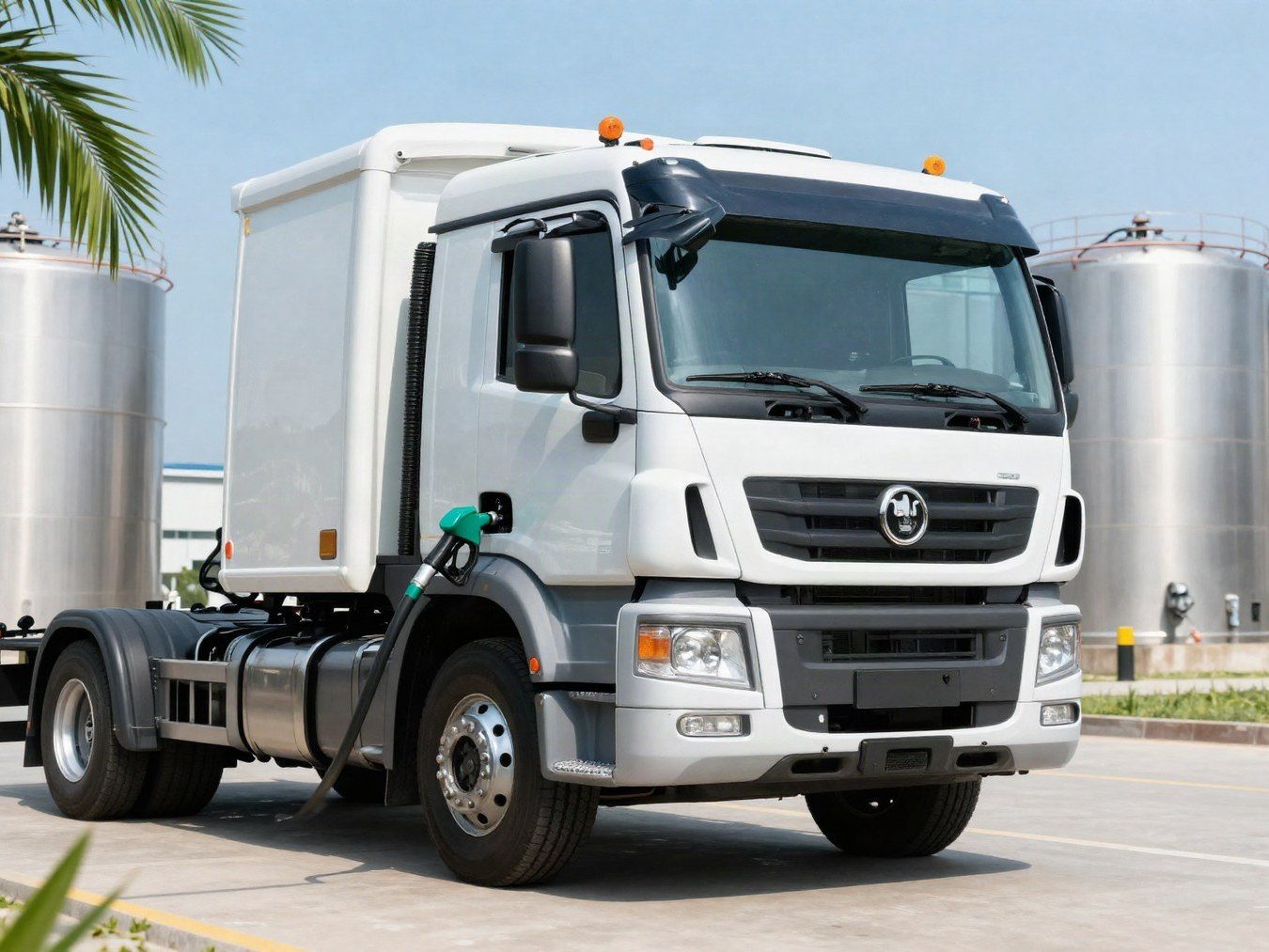
Biodiesel for fleets, heavy machinery and boilers.
Every friction point, its product.
Where our biolubricants are used inside our customers' plants — and inside our own, where we test them first.
Hydraulic systems
Presses, lifts and hydrostatic transmissions.
Hydraulic fluid ISO VG 32 / 46 / 68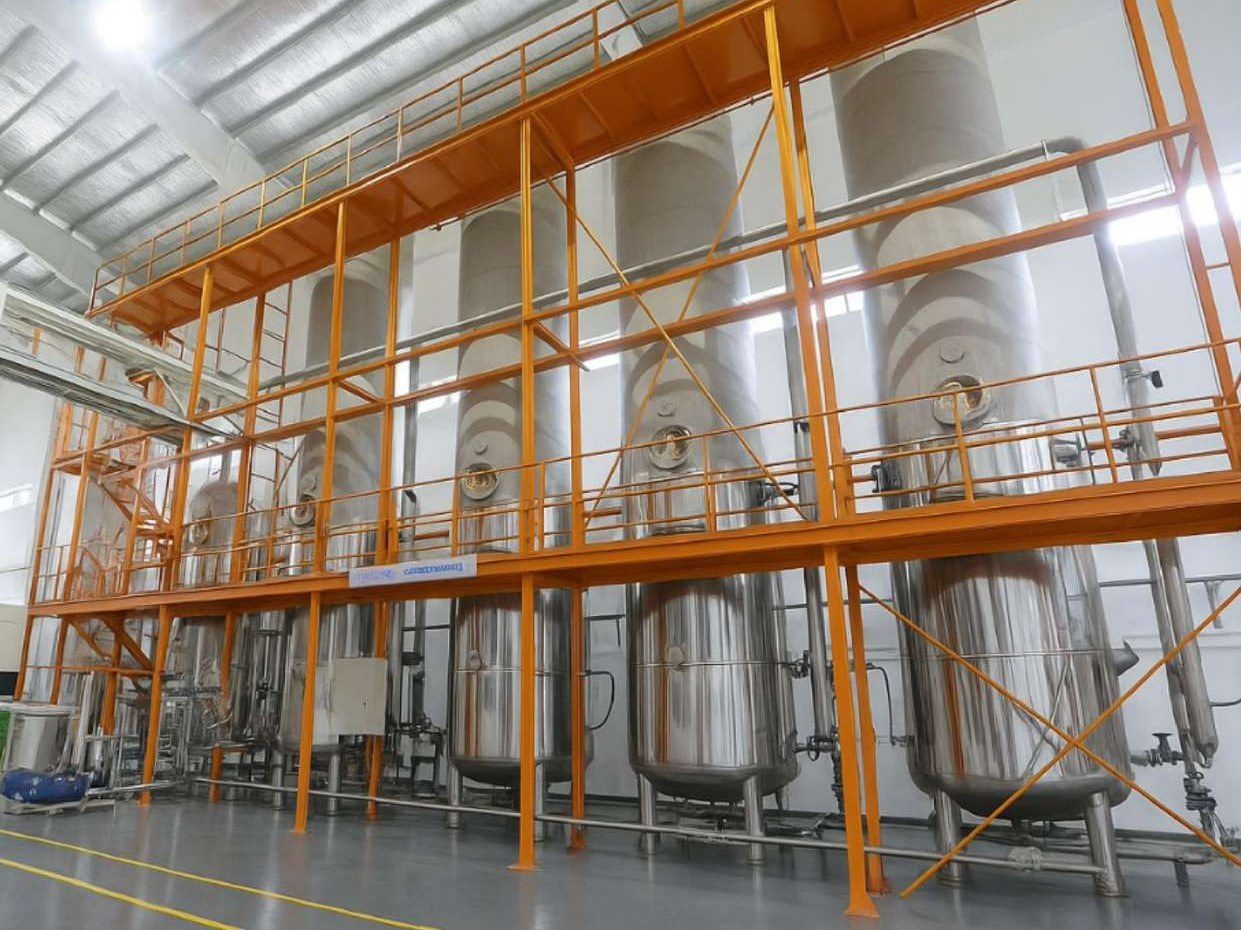
Gearboxes and speed reducers
Conveyors, mixers and mills.
Gear oil ISO VG 320 / 460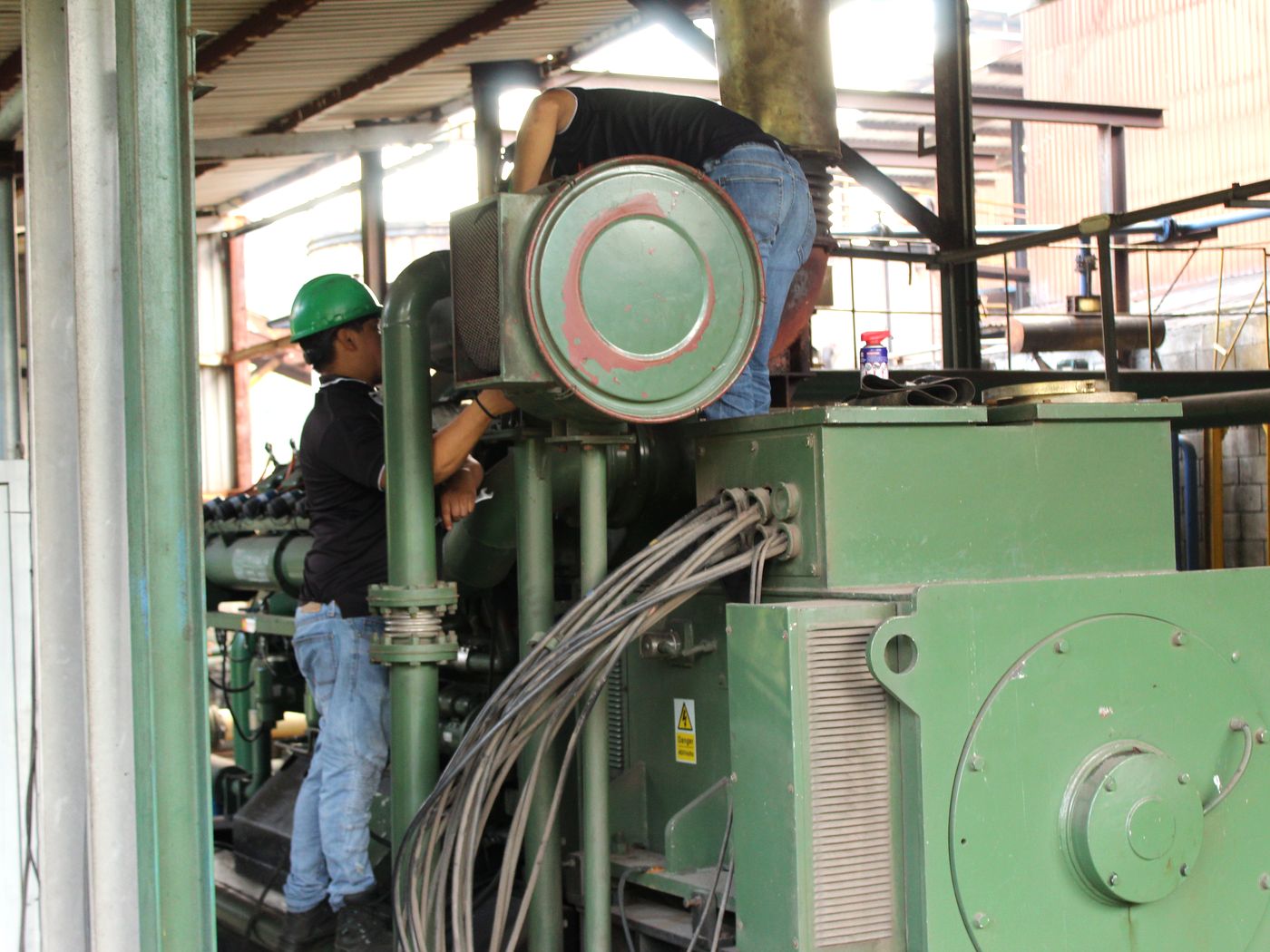
Oven and conveyor chains
Tunnel ovens, proofers and hot lines.
Chain oil ISO VG 220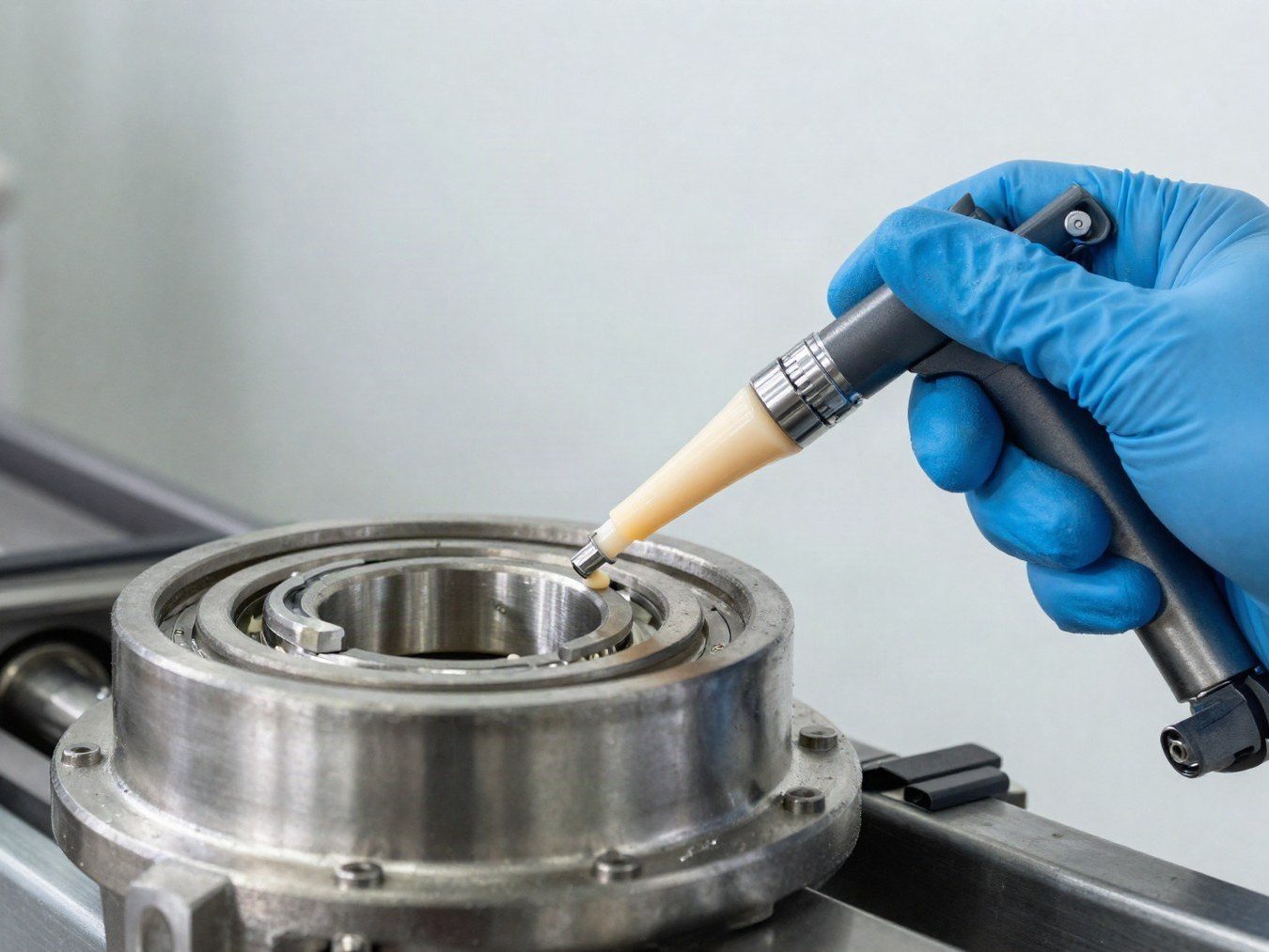
Bearings, motors and pumps
Equipment with frequent washdown and shock loads.
Multipurpose EP grease NLGI 2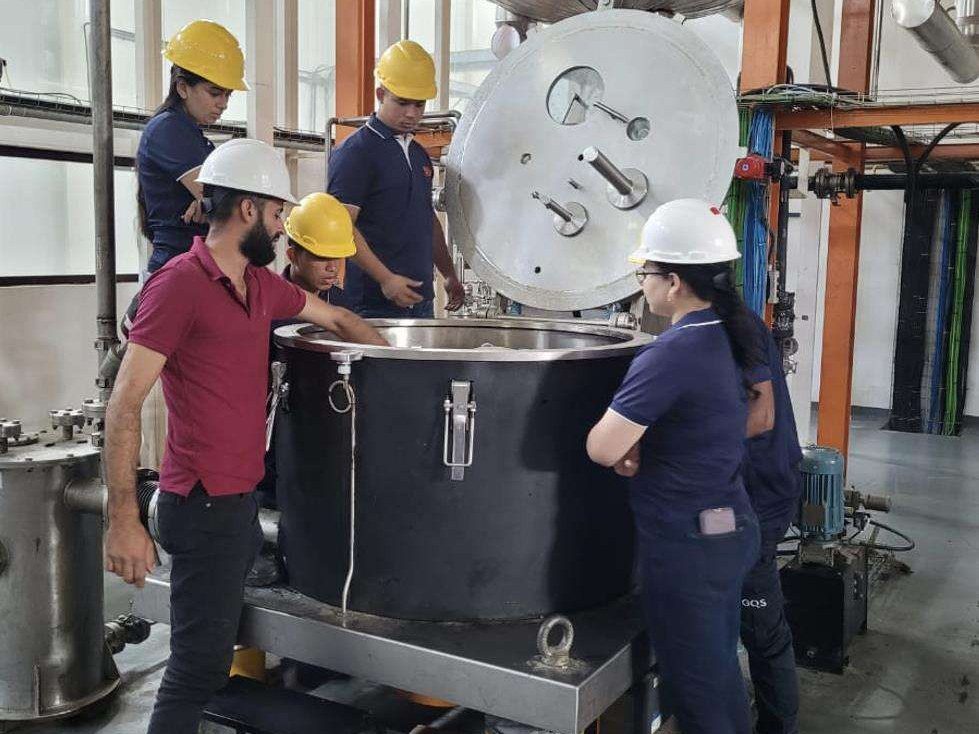
Guides, slideways and dryers
High loads and high temperature.
High load / high temperature grease NLGI 2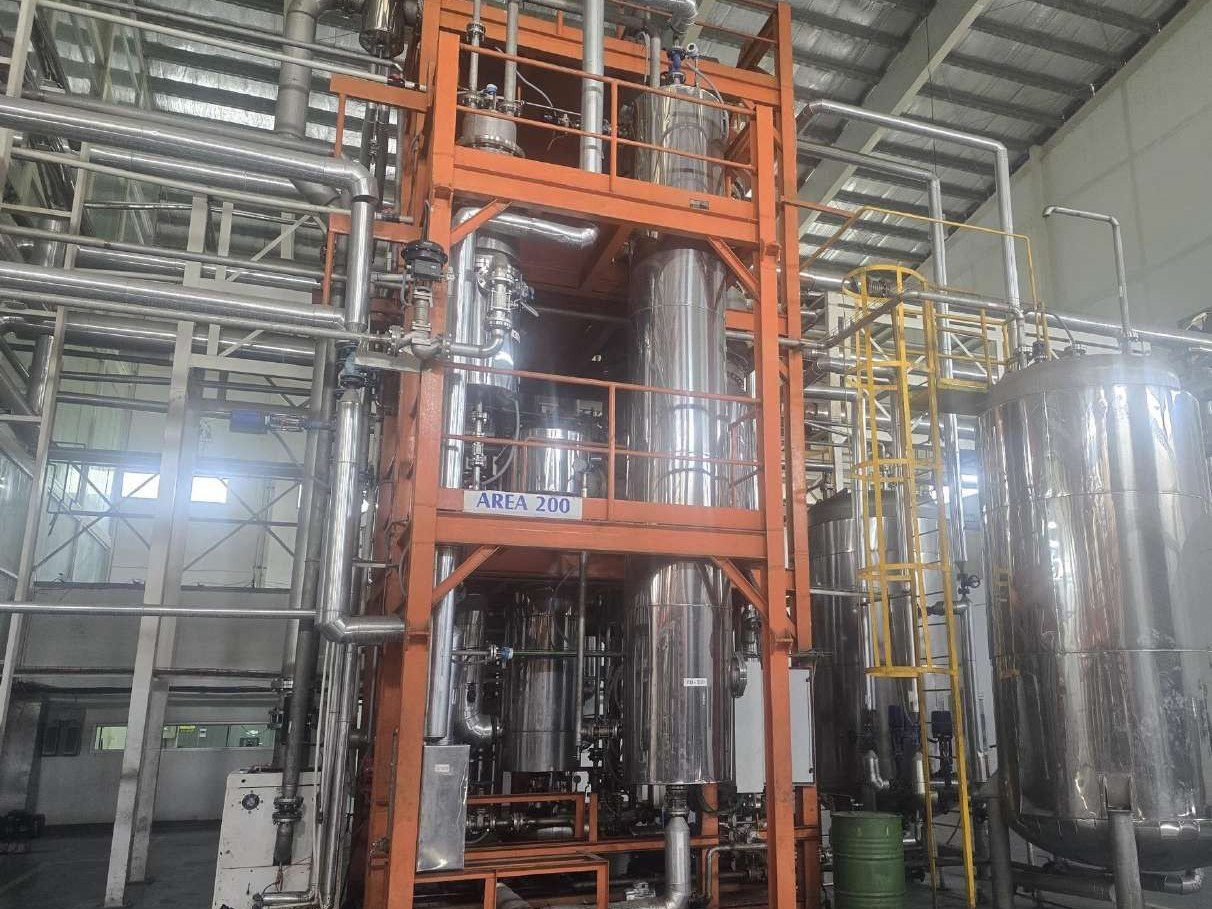
Circulating lubrication systems
Plain and anti-friction bearings.
Hydraulic fluid ISO VG 46 / 68Case study: palm oil mill
Typical incidental-contact points where a food-grade lubricant free of mineral oil is the right choice:
- Fruit reception ramp and sterilisers.
- Stripping, digestion and pressing.
- Clarification and oil pumps.
- Kernel plant and empty fruit bunch plant.
Renewable energy made in Honduras.
Our biodiesel is a blend of fatty acid methyl esters (FAME) obtained from palm oil by transesterification and purified through vacuum distillation.
Distillation removes impurities, colour and residual glycerides: a fuel with over 96 % esters, cleaner and more stable in storage.
Proven uses
Renewable
Made from palm oil: the CO₂ it emits was captured by the palm as it grew.
Biodegradable and non-toxic
Breaks down several times faster than fossil diesel; spills are less persistent.
Sulphur free
Zero or minimal sulphur content: no sulphur dioxide emissions.
Better lubricity
Protects pumps and injectors and extends engine life.
Safer
Flash point ≥ 120 °C versus roughly 52 °C for diesel: safer handling and transport.
High cetane number
Fast ignition and smooth combustion: less noise and knock.
Lower emissions
Less particulate matter, carbon monoxide and unburned hydrocarbons than fossil diesel.
No engine modification
Blends with diesel in any proportion, from B5 to B100.
B100 specifications
| Property | Requirement | Test method |
|---|---|---|
| Ester content (% mass) | ≥ 96.5 | EN 14103 |
| Density at 15 °C (kg/m³) | 860 – 900 | ASTM D4052 / ISO 3675 |
| Kinematic viscosity at 40 °C (mm²/s) | 1.9 – 6.0 | ASTM D445 / ISO 3104 |
| Flash point (°C) | ≥ 120 | ASTM D93 / ISO 2719 |
| Cetane number | ≥ 47 | ASTM D613 / ISO 5165 |
| Water content (mg/kg) | ≤ 500 | ASTM E203 / ISO 12937 |
| Oxidation stability at 110 °C (h) | ≥ 6 | EN 14112 |
| Acid number (mg KOH/g) | ≤ 0.5 | ASTM D664 / EN 14104 |
| Methanol content (% mass) | ≤ 0.2 | ISO 14110 |
| Free / total glycerin (% mass) | ≤ 0.02 / ≤ 0.25 | ASTM D6584 / ISO 14105 |
| Mono / di / triglycerides (% mass) | ≤ 0.80 / ≤ 0.20 / ≤ 0.20 | ASTM D6584 / ISO 14105 |
| Copper strip corrosion | Class 1 | ASTM D130 / ISO 2160 |
| Sulphated ash (% mass) | ≤ 0.02 | ASTM D874 / ISO 3987 |
| Sodium + potassium / calcium + magnesium (mg/kg) | ≤ 5.0 / ≤ 5.0 | EN 14108 / EN 14109 / ASTM D5863 |
| Phosphorus (mg/kg) | ≤ 10 | ASTM D4951 / EN 14107 |
| Iodine value (g I₂/100 g) | ≤ 120 | EN 14111 |
| Total contamination (mg/kg) | ≤ 24 | EN 12662 |
| Cloud point / CFPP / pour point (°C) | Reported | ASTM D2500 / D6371 / D97 |
Source: BIOSA Biodiesel B-100 technical data sheet (October 2025). Product visually free of water, sediment and suspended matter.
Capacity and process
- Plant capacity of 10 tonnes per day.
- Batch reactors, methanol recovery and washing; vacuum distillation of the final product.
- In-house laboratory with gas chromatography, HPLC and Karl Fischer titration for batch control.
- Automated operation (SCADA) from the control room.
Nothing goes to waste: from palm
fruit to energy.
COINSU · Palm oil
Extracts crude palm and palm kernel oil from the fruit of 429 producing families. Non-GMO oil traceable to the grower.
BIOSA · Biofuels and biolubricants
Converts palm oil and distillates into distilled biodiesel and renewable-based biolubricants.
GEOPALSA · Bioenergy
Turns mill effluent into biogas and renewable electricity.
- Every tonne of biolubricant replaces a tonne of petroleum derivative.
- BIOSA biodiesel powers the Group's own machinery and boilers.
- Process residues return to the field or to energy generation.
What we are asked the most.
Let's talk about your plant.
KM 26 Highway to Puerto Cortés, Río Blanquito, Choloma, Cortés, Honduras.
Phone: (+504) 2630-3763 · Hours: 8:00 a.m. – 5:00 p.m.
Ready to lubricate without mineral oil?
Request a sample, a technical data sheet or a technical visit to your plant.